

Last year, I wrote an article, “Five Stupid Plot Twists in Otherwise Great Movies,” about groan-inducing plot turns in movies that most people enjoy anyway.
It went viral-ish, with tens of thousands of views, becoming my most popular article here ever.
Naturally, I couldn’t resist compiling a list of five more stupid plot twists in otherwise great movies.
But as I noted before, I still believe that if you get most of a story right, especially the emotional heart, the audience will happily overlook a stupid moment or two.
Ferris Bueller’s parents have absolutely no idea what kind of son they have?
One of the comic bits in the classic John Hughes movie Ferris Bueller’s Day Off (1986) is that Ferris is a scheming trickster, but that he’s fooled his hapless parents into thinking he’s a sensible, responsible boy — to the great frustration of Ferris’ sister, Jeanie, played by Dirty Dancing’s Jennifer Grey, who sees Ferris for exactly who he is.
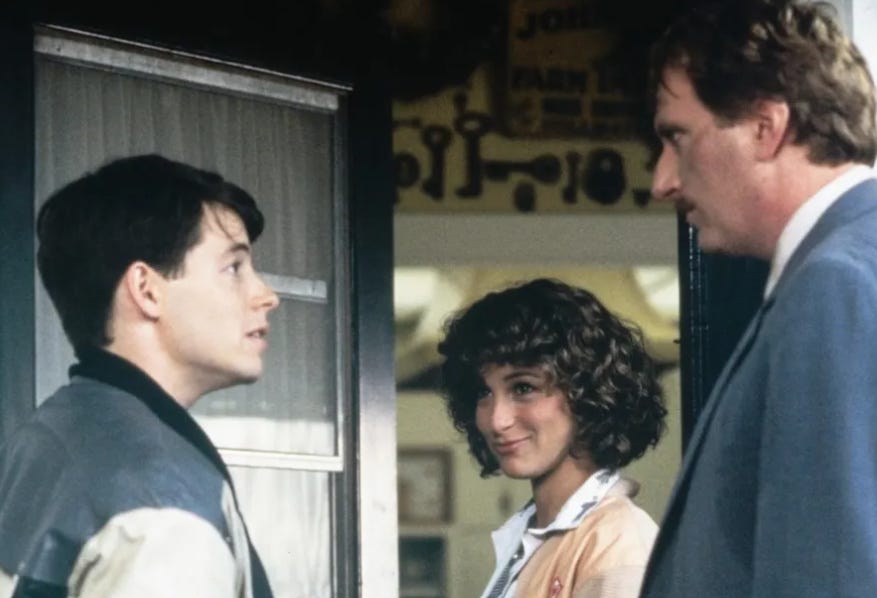
Ferris is clever, but he’s also selfish and manipulative. And while he usually avoids blame for what he does, his schemes often fail. He bullies Cameron into taking his dad’s Ferrari on a joyride, and that ends in disaster. And the Dean of Students repeatedly sees through Ferris’ ploys.
But Ferris’ parents never even question Ferris’ supposedly great nature. They raised him, but they’ve never seen any evidence that he’s smug and manipulative?
Has Ferris been deceiving his parents since birth?
Yeah, sure, parents sometimes refuse to see how annoying their kid can be, but no parent is this clueless, are they?
In The Housemaid, Nina concocts a ridiculous plan.
To be clear, The Housemaid is one of the worst movies I saw all year — definitely not “great.” But it also has one of the most ridiculously contrived plots I’ve ever seen, which is why I’m including it here.
In the movie, Millie is hired by Nina to act as a housemaid, but Nina turns out to be bonkers, so Millie turns to Nina’s kind, hot husband Andrew for help, and they fall in love.
But wait, no, it turns out Nina is being tortured and gaslit by her sociopathic husband. So instead of documenting her abuse or going to a shelter, she hires a maid, pretends to be insane, and manipulates the maid into falling in love with her husband, so he’ll end up torturing her too, and she’ll fight back, and Nina will be free.
And in yet another contrivance, in the end, Millie forgives Nina for putting her through all this, and they bond over their shared trauma and the sisterhood of the most fucked up feminism I’ve ever seen.

This whole plot was so stupid that I assumed it was rewritten at the request of star Amanda Seyfried, who had refused to be in the movie unless her character was more sympathetic.
But no, this is apparently a fairly close adaptation of the novel upon which the movie is based. Go figure.
Willy Wonka’s “character test” is both hypocritical and ridiculously convoluted.
I don’t think I’m going out on a limb to say that in Willy Wonka and the Chocolate Factory (1971), Wonka is a cruel sadist: he invites small children into a factory full of extreme danger, gives them only vague warnings, and then takes a vicious delight when they screw up — even as his various “rooms” seemed specifically designed to tempt the various kids, playing on each one’s biggest desire.
Oh, and after the kids do mess up, Wonka has his slave-like Oompa Loompas sing cruel songs lamenting their character flaws, and casually recounts the ways these small children will all be permanently disfigured for life — or possibly dead.
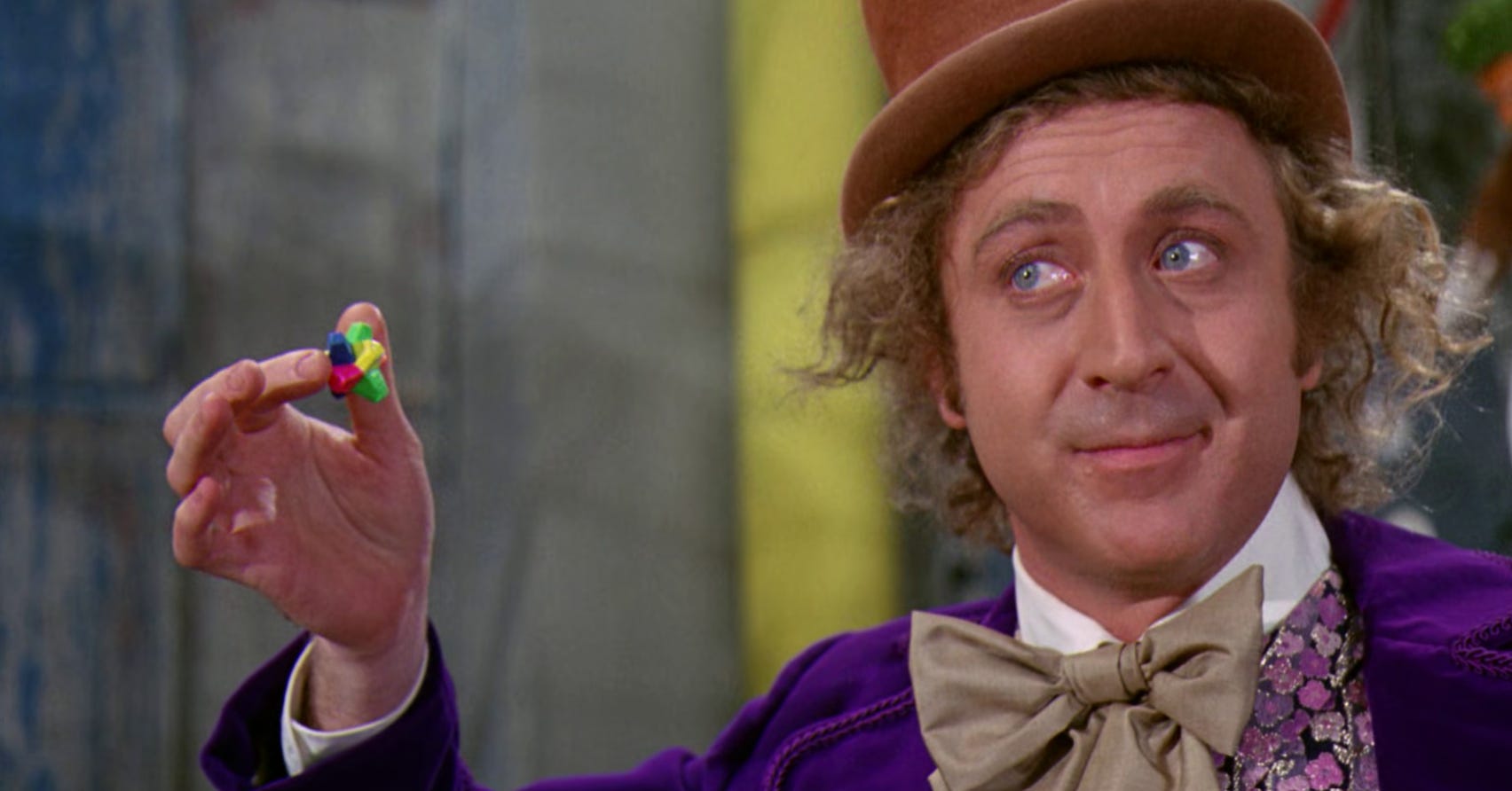
Yes, I know you can’t take this movie literally. Part of the reason why this movie works is because it is so weird and surreal. Plus, Gene Wilder is fantastically charming in the title role.
Still, can we talk about the Slugworth subplot? The head of a rival candy factory appears after each golden ticket is found, asking all the kids to bring him an “everlasting gobstopper” candy.
This isn’t part of the famous book upon which the movie is based. It was added to make the character of Charlie more active and give him a character arc. And it’s very much needed, because in the book, Charlie is entirely passive. He “wins” merely by being the Last One Standing.
In the movie, “Slugworth” turns out to be a plant sent by Willy Wonka to test the character of the kids — which may explain why he inexplicably appears immediately after each golden ticket is found.
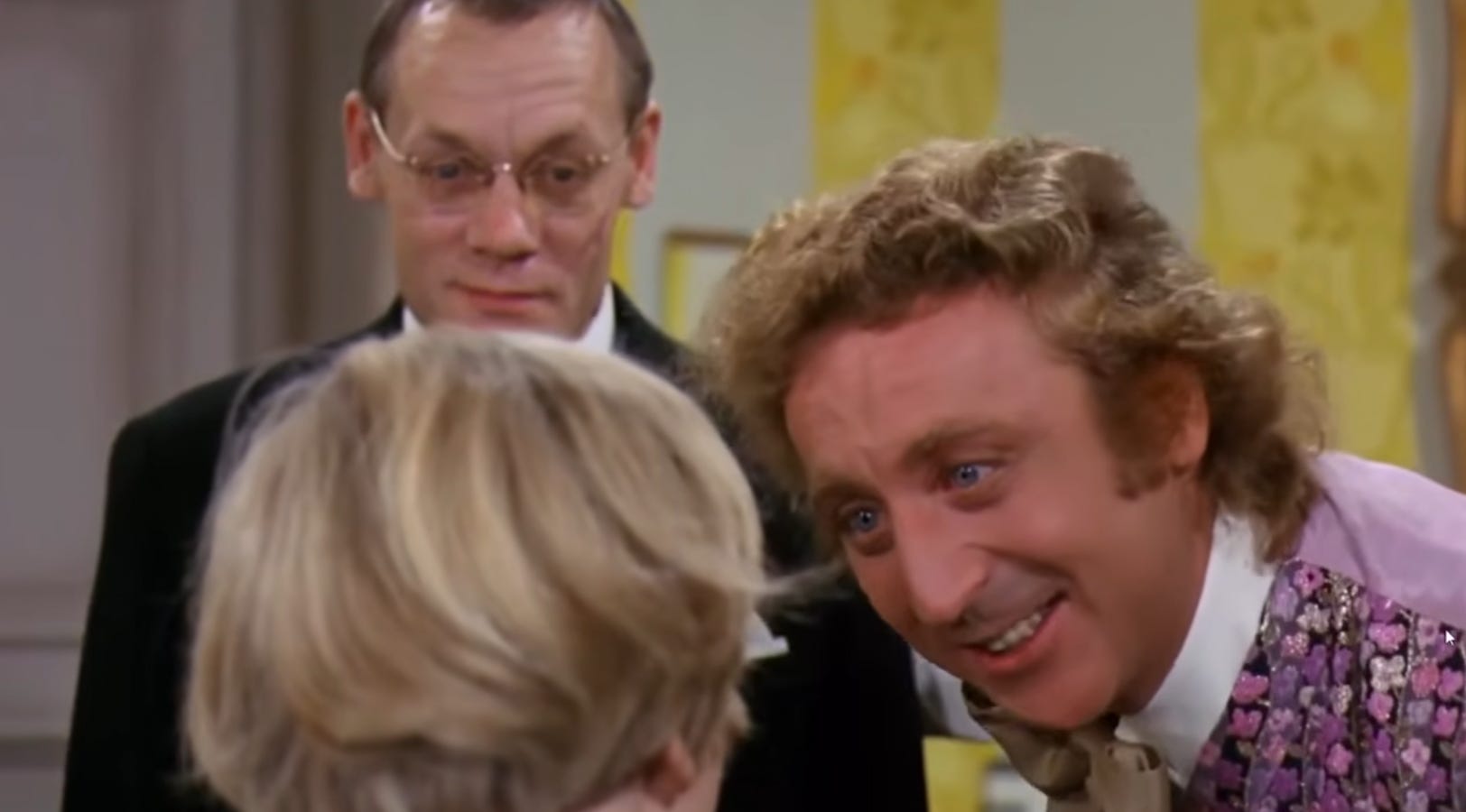
But what is the test exactly? In the movie (unlike in the book), Charlie also gives in to temptation, trying Fizzy Lifting Drinks with Grandpa Joe despite Wonka telling them not to. That makes him no different than the other four kids, and Wonka demands Charlie leave the factory without his prize of a lifetime of candy.
Before leaving, Charlie returns the everlasting gobstopper to Wonka. But why? Wonka had only previously specified that they not give the candy to Slugworth — there was no rule against taking it home. Sure, an outraged Grandpa Joe says they should give the candy to Slugworth, but there’s absolutely no indication that Charlie would.
And what of the other kids? If they end up not giving their everlasting gobstoppers to “Slugworth,” haven’t they performed exactly as “good” as Charlie? If so, shouldn’t they win a share of the chocolate factory too?
The whole thing makes no sense.
P.S. When it comes to ridiculous plot contrivances, I think Tim Burton’s Charlie and the Chocolate Factory (2005) and Timothée Chalamet’s Wonka (2023) are far worse than this film. But I also think those are both terrible movies.
In dinosaur movies, the ecosystems are always wrong.
I have never watched a dinosaur movie where the ecosystem doesn’t drive me insane. Jurassic Park in Jurassic Park, for example, is an island teeming with hundred-ton herbivores, but the vegetation they would need to survive is all lush and virtually untouched.

The same goes for Skull Island in all the versions of King Kong, except the islands also all include a species of giant ape with a breeding population of… exactly one.
Incidentally, if you live on an island with a giant ape that has apparently so terrorized the population that they’ve built a massive wall sealing the ape on the other side, why exactly would you build an ape-sized “gate” in the wall? Were the locals planning on eventually inviting him in for tea?
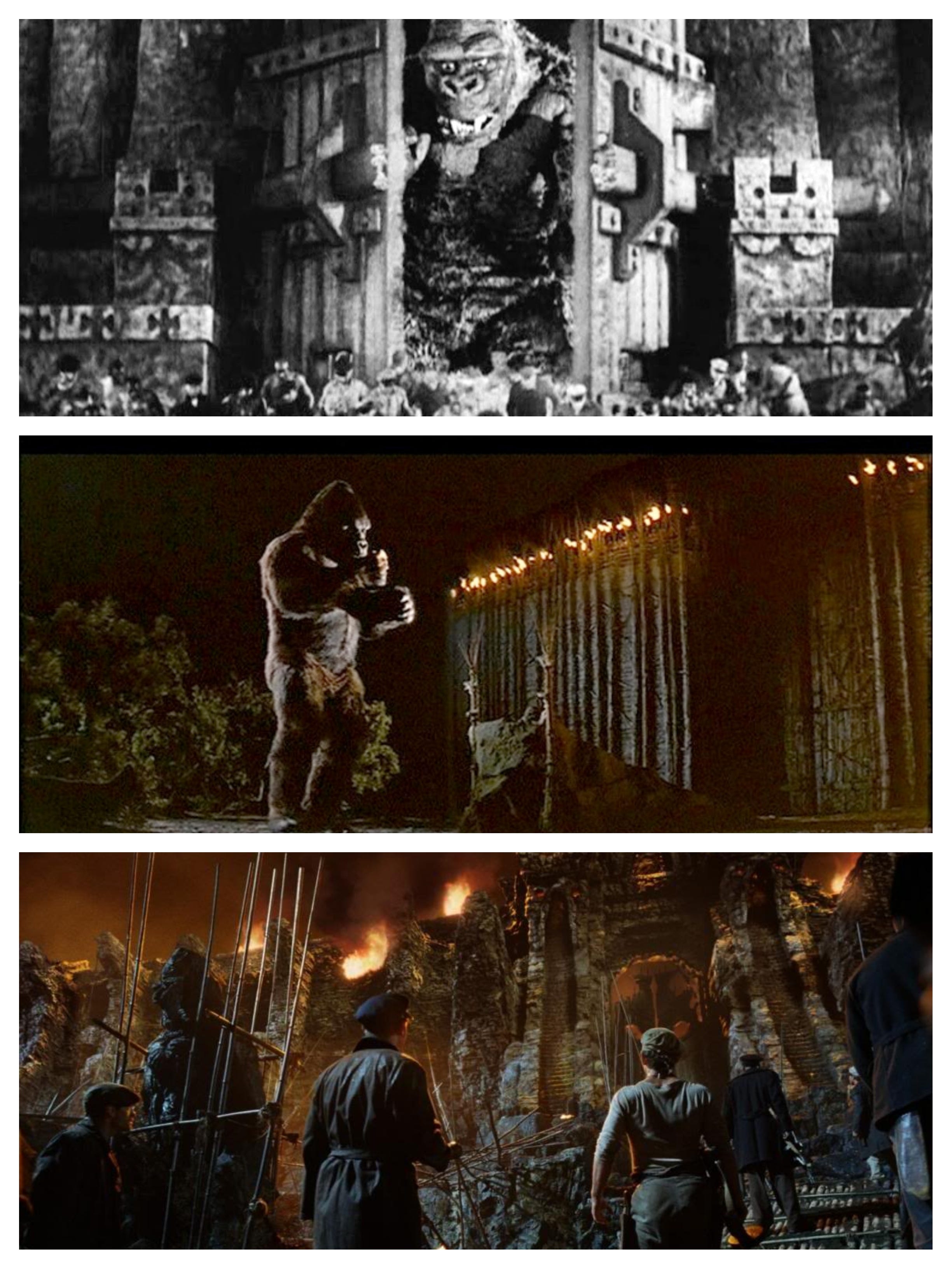
Dinosaurs in dinosaur movies also always seem to include an awful lot of apex predators in a very small area — despite the fact that these creatures almost certainly had to have massive ranges in order to provide the food they needed to survive.
In The End of Oak Street (2026), for example, a slice of modern suburbia swaps places with the same area from millions of years in the past — and this tiny area includes dozens of carnivores eager to snack on hapless humans.
And while we’re at it, how did the alien in Alien (1979) grow to be dozens of times its original size in a matter of hours with almost nothing to eat?
The ship in Fantastic Voyage would kill the patient.
Fantastic Voyage (1966) has one of the best movie premises of all time: a new technology allows scientists in a submarine to shrink to microscopic size to destroy a blood clot in a dying patient’s brain. But they must be out of the body in an hour, after which the technology will return them to their normal size.
The special effects in this movie were absolutely revolutionary at the time of release, and they’re still dazzling today. Unfortunately, the movie has a massive plot hole.
The scientists do make it to the patient’s brain and destroy the blood clot, but as a result of subterfuge, their submarine is destroyed, and the crew has to escape in scuba gear through the patient’s tear duct.

But one dead crew member and the wreckage of the ship itself are left behind inside the man’s body (along with several gallons of miniaturized saline solution). Upon resuming their normal size, wouldn’t this kill the patient?
Many people think this movie is based on a novel by science fiction writer Isaac Asimov, but in fact, Asimov was hired to adapt the screenplay into a novelization — and the book was released before the movie, which helps explain some of the confusion about what came first.
But interestingly, while working on the project, Asimov immediately recognized the screenplay’s plot hole and got permission to eliminate it in his novelization.
I Hate Many Things About BACK TO THE FUTURE. It’s Still a Great Movie.
Spectacle Without Story is Boring
Five Stupid Plot Twists in Otherwise Great Movies
What Do We Do with Older Books and Movies That Offend Modern Sensibilities?
Brent Hartinger is a screenwriter and author. Check out my other newsletter about my travels at BrentAndMichaelAreGoingPlaces.com. And order my latest book, below.

I agree with the majority of this with one exception. Charlie and Willy Wonka and the Chocolate Factory. Charlie and his circumstances are starkly different than the other children. He has grown up poor whereas the other children and their families appear to be wealthy or at least fairly well off. The other children are clearly selfish, expectant, spoiled brats. Charlie is not. Sure he makes a misstep, but it isn't central to his character. He wins by virtue of his not being a rotten little turd like the others. 😂 That's my theory, anyway, lol.
And with Ferris Bueller, he is so freaking cute and charming that I was always willing to overlook the fact that he's basically a juvenile delinquent. 😆
While maddening as an author who works hard to avoid these plot holes, it’s also somewhat heartening that people can still love a story despite its flaws. As you well said, if it gets a lot of things right, misses can be overlooked